
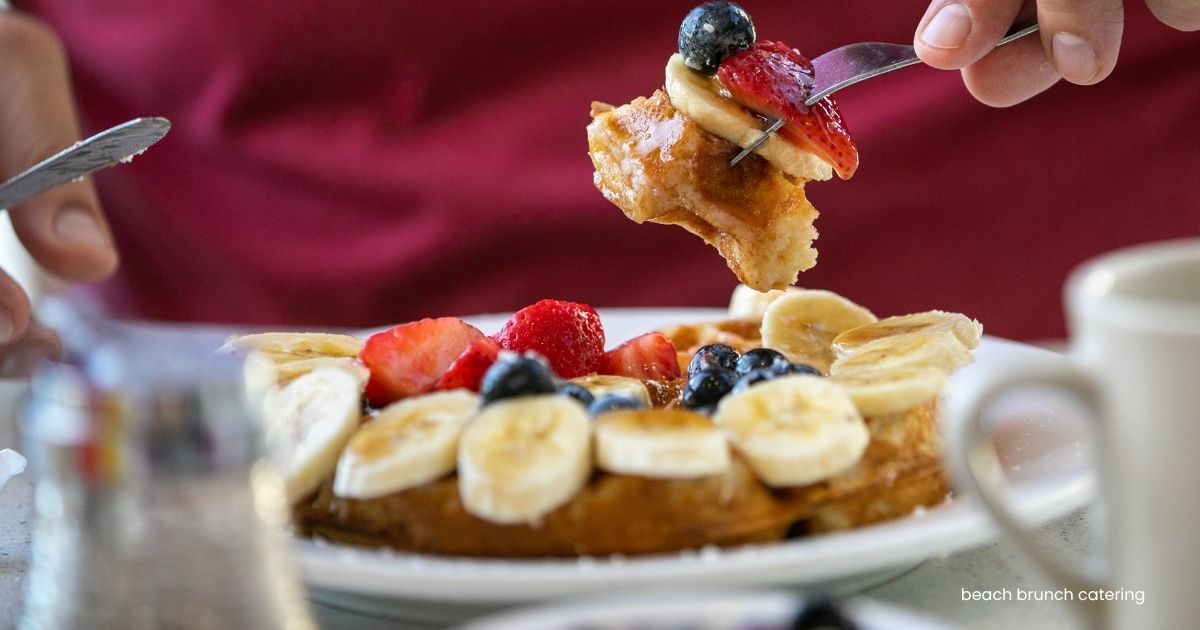
There’s something about brunch on the Florida coast that just works. The light is right, the pace is relaxed, and the food — when done well — feels like a celebration even on a Tuesday. Whether you’re organizing a birthday party, a baby shower, a wedding brunch, or a corporate team event, a beach brunch catering setup in St. Augustine Beach can be genuinely memorable.
Table of Contents
The catch? Getting the details right takes more planning than most people expect. This guide walks you through every step — from picking the right caterer to setting up a menu that works for a crowd.
Beachside Diner catering services
Step 1: Define the Event Before You Call a Caterer
Before you reach out to any catering company, get clear on the basics. The more specific you are upfront, the smoother everything goes.
Answer these questions first:
- How many guests? Catering pricing and logistics shift significantly between 20 and 100 people.
- Indoor or outdoor? Beach brunch events in Florida work best from October through May. Summer heat and afternoon thunderstorms add real complexity.
- What’s the occasion? A baby shower brunch has different expectations than a corporate networking event.
- What time? Brunch windows typically run 10am–2pm. Earlier is better in warm months.
- Budget per head? Being upfront about budget saves everyone time.
Having these answers ready makes your first conversation with a caterer far more productive.
Step 2: Choose the Right Catering Style for a Beach Brunch
Not all catering formats work equally well for outdoor beach events. Here are the main options:
Buffet-Style Setup
The most popular format for brunch events. Guests move at their own pace, food stays accessible, and it’s easier to manage dietary preferences. Works well for groups of 20 or more.
Pros: Flexible, social, less formal
Cons: Requires a table setup and food warmers for hot items
Plated Brunch Service
A server brings a preset menu to each guest. More formal, works better for seated events like wedding brunches or sit-down corporate meals.
Pros: Elegant, controlled portions
Cons: Requires more staff, more expensive, less flexibility
Food Platters and Stations
A mix of pre-built platters (breakfast meats, pastries, fruit, sides) plus a couple of hot stations. Great for events where guests are mingling rather than seated.
Pros: Visually impressive, easy for guests to graze
Cons: Hot food quality can drop if not managed well
For most beach brunch events in St. Augustine, a platter-based setup with 1–2 hot items hits the right balance of ease, presentation, and crowd satisfaction.
Step 3: Build a Brunch Menu That Works for a Crowd
A great brunch catering menu covers four things: protein, something sweet, something fresh, and drinks.
The Core Menu Framework
Protein anchors (pick 2–3):
- Scrambled eggs or egg casserole
- Breakfast sausage or bacon
- Ham
- A signature egg dish (like Eggs Benedict variations for a more upscale feel)
Sweet components (pick 1–2):
- Pancakes, French toast, or waffles
- Pastries or muffin assortment
- Fresh fruit display
Fresh and light (essential in Florida heat):
- Seasonal fruit platters
- Yogurt parfait station
- Salad or avocado toast bar for lighter eaters
Drinks (often underplanned):
- Coffee and juice as the baseline
- Mimosa or Bloody Mary bar for adult events — this is consistently the most appreciated upgrade
- Water stations with citrus or mint
A Bloody Mary bar in particular is a crowd-pleaser that elevates any beach brunch from “nice” to “memorable.”
Food Safety guidelines for outdoor catering events in Florida
Step 4: Nail the Logistics for an Outdoor Beach Event
This is where most DIY planners underestimate the complexity. Outdoor catering in Florida has a specific set of challenges.
Temperature and Food Safety
Florida’s heat is the biggest operational challenge. Any catered food sitting outside needs to follow the 2-hour rule — hot food above 140°F, cold food below 40°F. If food sits in the 40–140°F range for more than 2 hours, it should be discarded.
Practical solutions:
- Use chafing dishes with sterno fuel for hot items
- Keep cold platters on ice beds
- Serve in smaller quantities and replenish from covered storage
Setup and Equipment
Work with your caterer to confirm what they provide:
- Tables, linens, and serving equipment
- Warming trays and ice trays
- Serving utensils and disposable or real plates
- Trash and cleanup logistics
If any of these aren’t included, you’ll need to rent or source them separately.
Permits and Location
If your event is on a public beach or in a park in St. Augustine Beach, you may need a permit. Private property — a rental home with beach access, a hotel pool area — is typically simpler. Confirm with the venue or the City of St. Augustine Beach event services office.
Step 5: Work With a Local Caterer Who Knows the Area
This is the step that separates a smooth event from a stressful one. A local caterer brings knowledge of the logistics, the vendors, the weather patterns, and the community — none of which you get from a national catering chain.
Beachside Diner offers catering services for events throughout St. Augustine Beach. The menu draws directly from the restaurant’s full breakfast and brunch lineup — including breakfast platters, egg dishes, sides, and the signature items that have made the diner a local staple.
Working with a restaurant that’s already embedded in the community means you’re not just getting food. You’re getting a team that knows what works in this specific environment, for this specific type of event.
catering “Request catering information from Beachside Diner”
Step 6: The Final Checklist Before Event Day
Run through this list 48 hours before your event:
- Confirmed guest count with caterer
- Setup time and arrival time confirmed
- Equipment list reviewed (who provides what)
- Permit in hand (if needed)
- Backup plan for rain or wind
- Dietary restrictions communicated to caterer
- Drinks and ice confirmed
- Point of contact for caterer on event day identified
- Payment and gratuity arranged
The more you lock in before the day, the more you can actually enjoy the event.
FAQ
How far in advance should I book catering for a beach brunch event?
For events of 20–50 people, book at least 2–3 weeks in advance. For larger events or peak season (spring and fall in St. Augustine Beach), 4–6 weeks is safer. Popular local caterers fill up quickly around holidays and wedding season.
How much does beach brunch catering cost per person in St. Augustine Beach?
Pricing varies based on menu, staffing, and equipment, but budget roughly $25–$55 per person for a quality platter-based brunch catering setup. Full-service plated events run higher. Ask your caterer for a detailed quote based on your specific needs.
Can Beachside Diner cater events outside the restaurant?
Yes. Beachside Diner provides catering services for events in the St. Augustine Beach area. Contact the catering team directly to discuss menu options, logistics, and availability for your event.
What’s the best time of year for an outdoor brunch event in St. Augustine Beach?
October through April is ideal. The weather is mild, humidity is lower, and afternoon thunderstorms are rare. Summer events are possible but require earlier start times and extra planning for heat management.
Do I need a permit for a catered event on St. Augustine Beach?
Public beach events typically require a permit from the City of St. Augustine Beach. Private property events generally don’t. Check with the city’s event services office for your specific situation.
Conclusión
A beach brunch catering event in St. Augustine Beach doesn’t have to be complicated — it just has to be planned well. Get clear on your event details, choose the right menu format, handle the outdoor logistics, and partner with a local caterer who knows the area.
Beachside Diner’s catering team is ready to help you put together a brunch spread that your guests will talk about. From the menu to the setup, the goal is simple: great food, the right atmosphere, and zero stress for you on event day.
0 Comments